Building Trust in Global Marketplaces: Customer Reviews and Verification Systems


Trust determines whether people buy from an unfamiliar seller, accept a new payment method, or return to a global online marketplace. Customer reviews and verification systems help reduce uncertainty, but neither creates perfect safety alone. Strong marketplaces combine authentic feedback, verified identities, transaction security, transparent policies, and fair dispute resolution.
Why Trust Matters in Global Online Marketplaces
Trust matters because global online marketplaces connect buyers and sellers who may differ in location, language, currency, laws, and expectations. Reliable trust signals help users judge risk before committing money or sharing personal information.
A local buyer may recognize a retailer’s address, consumer protections, and payment practices. Cross-border commerce removes much of that familiarity. A shopper might be comparing a seller in another time zone, reading translated product information, and estimating delivery costs in a different currency.
Several factors increase uncertainty:
- Distance: Returning a defective product or pursuing a refund can be slower and more expensive.
- Regulatory differences: Consumer rights, product standards, tax rules, and data requirements vary by jurisdiction.
- Language and cultural barriers: Product descriptions, service expectations, and review wording may be interpreted differently.
- Limited seller familiarity: A professional-looking profile does not automatically prove that a business is legitimate.
Trust systems convert scattered information into usable signals. They cannot eliminate fraud, counterfeit goods, or delivery failures, yet they can make suspicious behavior harder and legitimate transactions easier to evaluate.
The Role of Customer Reviews and Ratings
Customer reviews and ratings give buyers evidence about product quality, seller conduct, delivery, and after-sales service. Their value increases when feedback is recent, detailed, and linked to a completed transaction.
A single five-star rating says very little. A useful review explains whether the product matched its description, arrived on time, survived shipping, and received an appropriate response when something went wrong. For sellers, repeated comments about packaging, communication, or product consistency can reveal operational strengths and weaknesses.
Buyers should examine the review record rather than focus only on the average score. Look for:
- The number of reviews and the period over which they were collected.
- Recent feedback, especially after changes to ownership, inventory, or fulfillment.
- Specific comments supported by photographs or clear usage details.
- Patterns across one-star, three-star, and five-star reviews.
- Responses that show whether the seller accepts responsibility and offers a practical solution.
Ratings and reputation scores are signals, not guarantees. A high score can reflect excellent service, but it may also hide a small sample size, incentivized feedback, or inconsistent performance across product categories. Reviews work best when shoppers can see how the score is calculated and filter feedback by language, location, date, and transaction type.
What Makes Marketplace Reviews Credible?
Credible marketplace reviews are traceable, moderated, transparent, and difficult to manipulate. Verified-purchase labels and clear publishing rules help users distinguish genuine transaction feedback from promotional content.
Verified purchases and transparent methodology
A verified-purchase label indicates that the platform can connect a review to a completed order. It does not prove that every opinion is unbiased, but it adds useful context. Marketplaces should explain whether reviews from refunded orders, gifted products, discounts, or external invitations receive different treatment.
Rating methodologies also need plain-language explanations. Users should know whether a seller score includes canceled orders, late deliveries, returns, or only published reviews. Hiding these details makes a reputation score look more precise than it is.
Moderation, reporting, and anti-manipulation controls
Review moderation should remove content that is fraudulent, abusive, irrelevant, personally invasive, or created through coordinated manipulation. Automated detection can identify unusual timing, repeated wording, linked accounts, and suspicious review bursts, while human review handles context-sensitive cases.
Effective safeguards include:
- A visible way to report fake reviews and explain the reason for the report.
- Restrictions on sellers reviewing their own listings or competitors.
- Detection of incentivized reviews and undisclosed commercial relationships.
- Audit trails for removed reviews and an appeals process for legitimate users.
- Balanced treatment of positive and negative feedback.
Over-moderation creates its own problem: genuine criticism disappears, and users lose confidence in the feedback system. The goal is consistent enforcement with enough transparency for users to understand decisions.
How Verification Systems Protect Buyers and Sellers
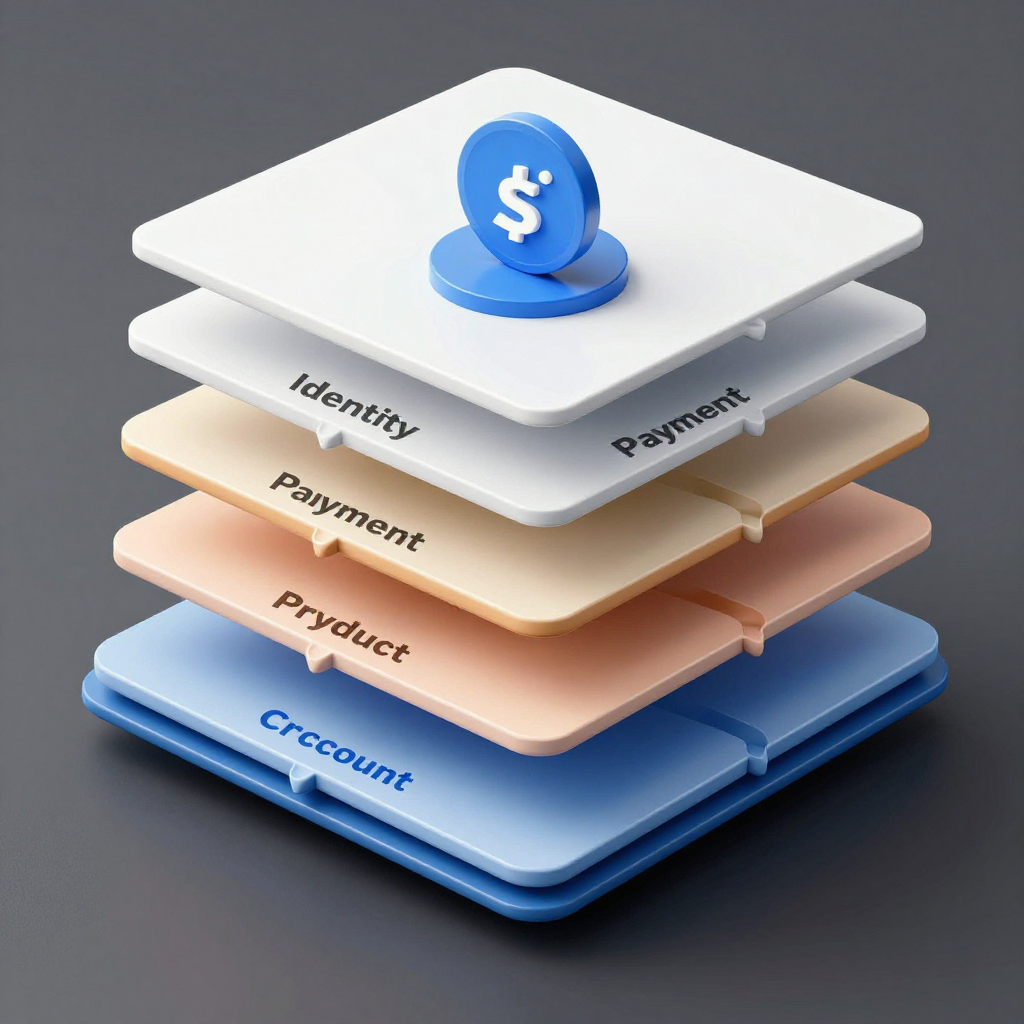
Verification systems reduce fraud by checking identity, accounts, sellers, products, and payments at different points in the transaction. Layered checks are stronger than a single badge because each layer addresses a different risk.
Identity verification may involve document checks, business registration details, address confirmation, or risk-based authentication. Seller verification helps a marketplace connect an account to a real person or organization, making impersonation and rapid account creation more difficult.
Buyer verification can protect sellers from stolen payment methods, automated account abuse, and repeated fraudulent claims. It should be proportionate, because excessive identity collection can exclude legitimate users and create privacy risks.
Other verification layers include:
- Payment verification: authentication, transaction monitoring, and checks for unusual payment behavior.
- Product verification: serial-number checks, documentation, brand authorization, or category-specific compliance evidence.
- Account verification: confirmed email addresses, phone numbers, device signals, and stronger login controls.
- Business verification: company records, beneficial ownership information, tax details, and operating addresses where appropriate.
Verification is risk reduction, not a safety certificate. A verified identity can still misrepresent goods, and a legitimate account can later be compromised. Marketplaces should minimize collected data, state why it is needed, protect it, and provide recovery routes when verification fails.
Combining Reviews With Other Trust Signals
Reviews become more reliable when they operate alongside secure payments, clear policies, delivery tracking, responsive support, and dispute resolution. A marketplace should give users several independent ways to assess and manage risk.
Secure payment flows can reduce exposure by limiting direct transfers, detecting suspicious activity, and holding funds according to clearly stated conditions. Delivery tracking helps establish what happened after purchase, while accurate estimated dates make late shipments easier to identify.
Clear policies matter just as much. Buyers should be able to find return windows, prohibited products, fees, customs responsibilities, refund conditions, and seller obligations before payment. Sellers need equivalent clarity about evidence requirements, chargebacks, prohibited behavior, and appeal rights.
Dispute resolution is the safety net when trust signals fail. A fair process should:
- Let both parties submit evidence such as messages, photographs, tracking records, and payment details.
- Use consistent rules across regions while accounting for local legal requirements.
- Communicate deadlines and decisions in accessible language.
- Offer an appeal route for significant or disputed outcomes.
Choosing stronger safeguards may add verification steps or delay a payout. That friction can be worthwhile for high-risk categories, but unnecessary checks can discourage small sellers and international buyers. The right model is proportionate to transaction value, product risk, and account behavior.
Common Trust Challenges in Cross-Border Commerce
Cross-border marketplaces face trust challenges because fraud patterns, verification standards, privacy rules, and consumer expectations differ between regions. Platforms must manage these differences without making legitimate international trade inaccessible.
Fake reviews and review manipulation can inflate ratings, suppress criticism, or target competitors. Translation also complicates moderation: sarcasm, local expressions, and poor machine translation may change the apparent meaning of feedback.
Inconsistent verification creates confusion when one seller receives a badge after a basic email check while another passes business and identity screening. A badge should state what was verified, when it was checked, and what remains outside the platform’s review.
Privacy concerns arise when platforms collect identity documents, biometric information, or financial data. Data minimization, limited access, retention controls, and understandable notices help balance fraud prevention with user rights. Organisations handling personal data should also review applicable privacy obligations and consult authoritative guidance such as the U.S. Federal Trade Commission privacy and security resources where relevant.
Other risks include chargebacks, counterfeit goods, account takeovers, customs disputes, and different definitions of acceptable product quality. No single score can resolve these issues. They require monitoring, evidence, communication, and enforcement after the transaction as well as before it.
Best Practices for Building Marketplace Trust
Marketplaces build durable trust by making evidence visible, applying rules consistently, protecting privacy, and improving systems from real transaction outcomes. Users also have a role in checking signals critically rather than relying on one badge or rating.
For marketplace operators
- Explain every verification badge in plain language, including its scope and date.
- Link reviews to completed transactions and disclose incentives or commercial relationships.
- Publish rating methodology, moderation rules, reporting routes, and appeal procedures.
- Use risk-based checks rather than imposing the same burden on every buyer and seller.
- Monitor complaints, refunds, delivery failures, chargebacks, and dispute outcomes for recurring problems.
- Provide multilingual support and translate critical safety, payment, and policy information accurately.
- Test whether enforcement affects regions or seller groups unevenly, then correct avoidable bias.
For buyers and sellers
- Read recent detailed reviews and compare them with the full distribution of ratings.
- Check seller history, product documentation, delivery terms, return rules, and communication quality.
- Keep payments and messages within the marketplace where protections depend on that record.
- Be cautious when a seller pressures you to bypass verification or move to an unprotected payment channel.
- Document product condition, packaging, tracking, and conversations if a dispute may arise.
The most useful mental model is evidence, identity, transaction, remedy: evidence shows what others experienced; identity connects accounts to accountable parties; transaction controls reduce payment risk; remedy provides a fair response when something breaks. Strong global marketplaces develop all four rather than overinvesting in reputation scores alone.
Frequently Asked Questions
How do verified reviews improve trust in a marketplace?
Verified reviews connect feedback to a completed transaction, making it harder to generate large volumes of entirely fabricated opinions. They still require moderation because a verified buyer can post an exaggerated, incentivized, or mistaken review.
What should buyers check besides a seller’s rating?
Check review recency, sample size, detailed comments, seller responses, verification scope, return terms, delivery tracking, payment protections, and the marketplace’s dispute process.
How can marketplaces detect fake reviews?
Platforms can combine transaction records, account relationships, timing patterns, repeated language, device signals, reporting, and human investigation. Detection should support a documented appeal process.
Is identity verification enough to prevent marketplace fraud?
No. Identity verification reduces impersonation and anonymous abuse, but it does not prove product authenticity, service quality, or future account behavior. Continuous monitoring and transaction-level safeguards remain necessary.
How should marketplaces handle disputes and suspicious activity?
They should preserve relevant evidence, notify affected parties, apply published rules consistently, restrict harmful activity proportionately, and offer timely decisions with an appeal route. Serious risks may require cooperation with payment providers or competent authorities.